

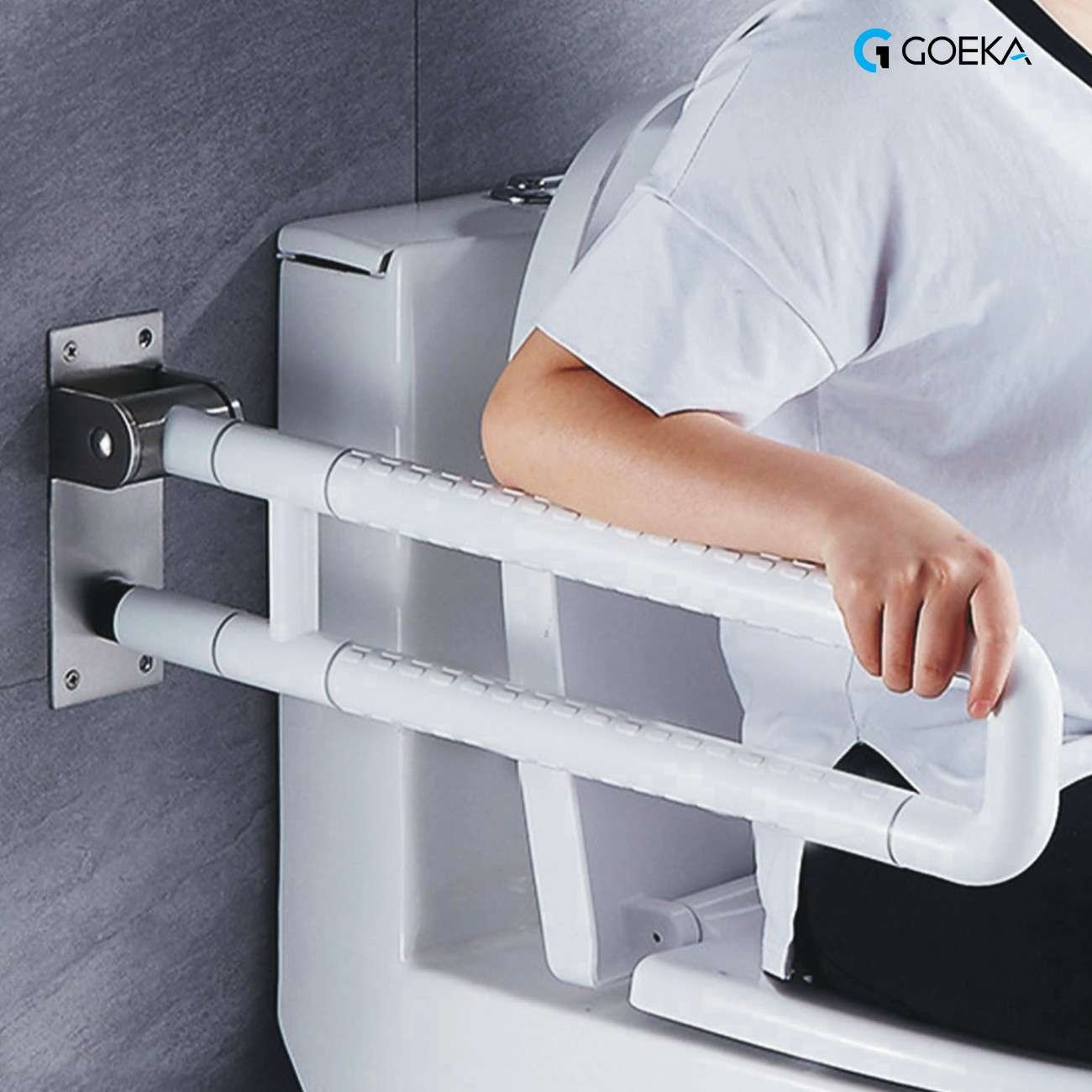
Grab Bars for Bathrooms
Best Grab Bars for Bathroom Safety India 2026 | GOEKA GOEKA — India’s Trusted Safety Brand Every Indian Bathroom Deserves a Grab Bar Premium stainless steel grab bars for elderly safety, patient care and accessible bathrooms. Rust-proof. Anti-slip. Built to last. 200kgWeight Support 304Grade SS Steel 10+Models Available 3Finish Options 304 Stainless Steel ABS Anti-Slip Grip Ideal for Elderly & Patients Chrome · Matt · Brass Finish GOEKA Brand Quality Bathroom Safety India 2026 Why Every Home Needs a Grab Bar Now Bathroom falls are the number one cause of injury among elderly people in India. A wall-mounted grab bar is the single most effective, affordable upgrade you can make — and GOEKA makes it easy. Whether you are setting up a senior-friendly bathroom, supporting a post-surgery patient, or designing an accessible bathroom, our grab bars deliver unmatched grip, durability, and confidence. 🏥 Trusted by hospitals, senior living facilities, and thousands of Indian homes — GOEKA grab bars combine engineering strength with everyday style. Our Product Range The Complete GOEKA Grab Bar Collection Choose from our full range of bathroom safety grab bars — engineered for Indian homes, hospitals, and care facilities. 304 SS · Jumbo · Foldable Grab Bar Jumbo — AL-57 Heavy-duty flip-up grab bar with ABS anti-slip covering. Ideal beside the commode for elderly people and patients. Supports 200kg, folds flat when not in use to save space. 24″ (600mm) Flip-Up Design ABS Grip 200kg Support Order Now on Flipkart 304 SS · Heavy Duty Grab Bar — AL-58 Heavy duty wall-mounted safety handle for senior citizens. Made from 304-grade stainless steel — rust-proof, corrosion-resistant, and built for everyday wet-area use in showers and bathrooms. 12″ (300mm) 18″ (450mm) Wall Mounted Chrome Finish Order Now on Flipkart 304 SS · Matt Finish Matt Finish Grab Bar — AL-61A / 61B / 61C Modern matte look meets maximum grip. These matt finish grab bars suit contemporary bathrooms where style matters as much as safety. Anti-fingerprint surface stays cleaner longer. 12″ Size 18″ Size 24″ Size Matt Finish 304 SS · L-Shape L-Type Grab Bar — AL-63 / AL-64 Dual-direction support for corners, toilets, and shower entries. The L-shaped grab bar is ideal for senior bathroom accessories, hospitals, and accessible bathroom design covering both vertical and horizontal hold. 12″×12″ 18″×18″ Corner Safety Hospital Grade Brass · Premium Brass Grab Bar — AL-02 / AL-03 / AL-04 Classic elegance meets essential safety. GOEKA brass grab bars are crafted for premium and traditional bathrooms. A timeless choice for homes that value both aesthetics and security in equal measure. 9″ Size 12″ Size 15″ Size Brass Finish Featured Product U-Shape Foldable Grab Bar — Space-Smart Safety Flips up when not in use — saves valuable bathroom space ABS layer for extra anti-slip grip in wet conditions Ideal beside the commode for seated and standing support Perfect for elderly care, post-surgery recovery and patients Easy wall installation with secure steel mounting plate 💪 Supports 200 kg Maximum Load Capacity Order Now on Flipkart Why GOEKA Built Different. Built Better. Every GOEKA grab bar is engineered to meet the real demands of Indian bathrooms — from humidity to daily heavy use. 🔩 304 Grade Steel Food-grade stainless steel resists rust, corrosion and humidity — lasts decades. 🤝 ABS Anti-Slip Grip Special ABS layer ensures confident grip even with wet or soapy hands. 🏥 Hospital Trusted Used in hospitals, senior living and rehabilitation centres across India. 🎨 3 Finish Options Chrome, Matt and Brass — a style for every bathroom aesthetic. 📐 Multiple Sizes 9″, 12″, 18″, 24″ — the right size for every space and user need. 🇮🇳 Made for India Designed and tested for Indian bathroom conditions and lifestyles. Hospitals, Builders & Dealers — Order in Bulk Are you a contractor, hospital procurement team, real estate developer, or bathroom fittings dealer? Get special pricing, dealership benefits, and dedicated support through GOEKA’s official dealer programme. Enquire About Bulk / Dealership Don’t Wait for a Fall to Act Order GOEKA Grab Bars today — available on Flipkart and at leading bathroom fittings stores across India. Shop GOEKA on Flipkart GOEKA — Safety. Style. Strength. | India’s Trusted Bathroom Safety Brand 2026 | Grab Bars · Bathroom Accessories · Safety Hardware